
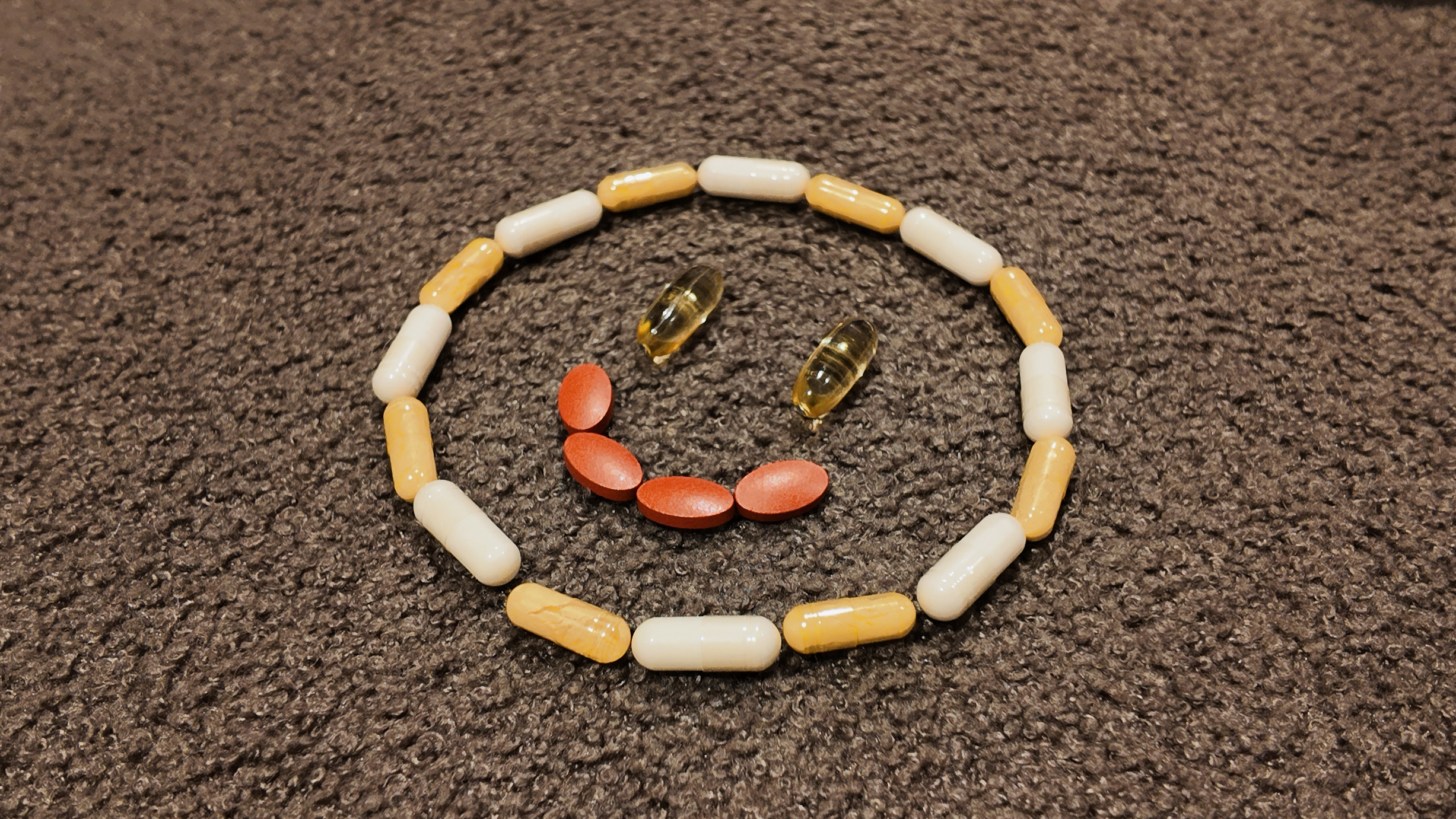
As winter settles in and the mornings turn darker, many people across the UK begin stocking their shelves with vitamin pills and other supplements. For some, supplements feel like an easy way to stay energised through the cold months. For others, they are part of a daily wellness routine shaped by social media, student schedules and long working hours. But new findings suggest that not all supplements on the market are as harmless as they appear.
Data from Statista, visualised by Raven News, shows that vitamins remain the most widely taken supplement globally, especially among people balancing study or work in colder climates. According to the chart below, younger generations in particular report high daily usage, reflecting the growing role supplements play in winter wellness routines. Wellness content online has helped make supplements feel like a seasonal ritual, from vitamin D for mood to herbal capsules for stress. Yet experts warn that the booming online market has created new risks for consumers who may not realise what is actually inside the products they buy.
A recent BBC Sounds investigation found a range of high-dose supplements being sold on major platforms including Temu, TikTok Shop and Amazon. Which?( UK’s consumer champion) researchers discovered products containing far higher levels of vitamins than NHS guidance recommends. One vitamin D tablet listed on AliExpress contained 1,250 micrograms. This is more than twelve times the safe daily limit. “People think a higher dose must be better,” Which? consumer expert Kat Cereda told the BBC. “But it can be quite the opposite.”
Clinicians say this issue is not unexpected. Dr. Manyu Li, a junior doctor working in a tertiary hospital in Beijing, China, told Raven News that supplement labels sometimes can be unreliable. “These products are often sold before any problems are detected. Only when people report adverse reactions do regulators trace the issue, so the actual nutrient content does not always match the packaging,” she said.
Excessive vitamin D can raise calcium levels in the blood and may lead to symptoms such as vomiting, confusion, kidney problems and weakened bones. Some vitamin A products found online contained levels linked to liver damage and increased fracture risk. Although the listings were removed after being flagged, Which? reported that nearly half of supplement users now shop online where oversight is often inconsistent.
Herbal supplements bring their own concerns. A recent Guardian report highlighted links between certain botanical ingredients and liver inflammation. These include products containing kava, green tea extract and other plant-based blends often marketed for sleep, focus or hormone balance. Specialists caution that “natural” does not always mean safe, especially when ingredients interact with medication or alcohol.
Medical professionals emphasise that supplements are not necessary for everyone. “The most accurate way to know whether you need supplements is a blood test,” Dr. Li said. “Clinically, the rule is very clear: do not supplement unless a deficiency is proven.”
To better understand how supplements fit into winter routines, Raven News spoke to two Londoners.
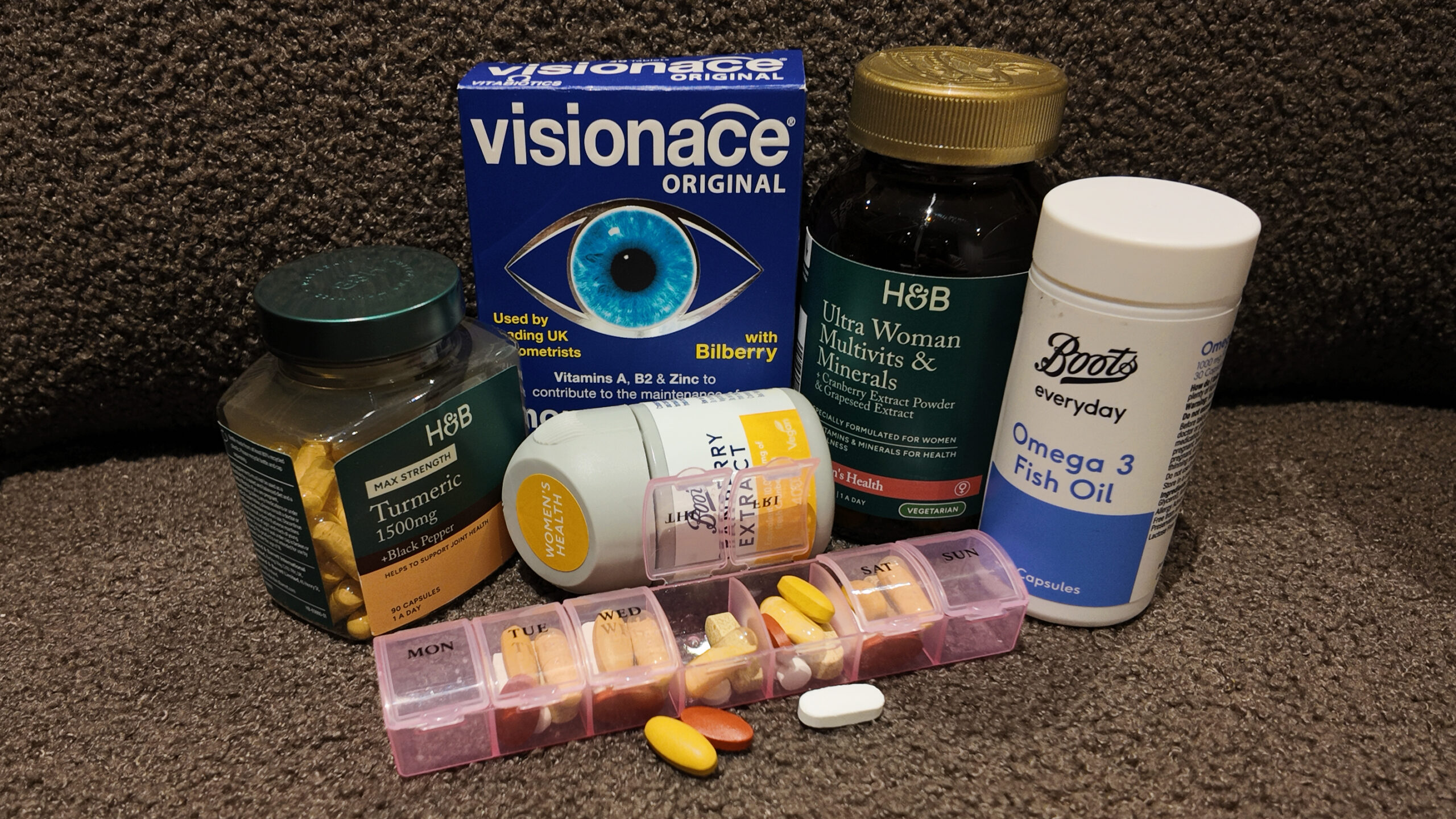
Jelene Rozenko, 38, working in media industry said she began reconsidering her habits after reading the Which? findings. “I have been buying vitamin D, iron and magnesium on Amazon for years. I never thought to check the dosage. When I saw the report, I realised my bottle was far stronger than I expected. It made me wonder how much my body actually needs.”
Troy Lee, a full-time student aged 25 relies heavily on a mix of vitamins during the darker months. “Winter affects my sleep and mood a lot, so supplements help me feel more stable.” He said. “I take multivitamins, magnesium, iron and fish oil. I try to stay informed but there is so much conflicting advice online that it gets confusing.”
Storage and delivery can also affect product quality. “Some products, such as fish oil, need cold-chain transport and protection from light. Even if manufacturers follow standards, the quality can still change by the time consumers take them,” Dr. Li added.
Health experts say supplements can be useful, particularly vitamin D during winter in the UK. But they recommend speaking to a GP or pharmacist before taking high-strength products and checking labels regularly, even for familiar brands. Formulas change, and online listings can vary widely in quality and accuracy.
As temperatures drop and sunlight fades, many people turn to small bottles for comfort and energy. But the real story behind our winter supplement habits may be simpler than it seems. Understanding what we take, and why we take it, might be the safest wellness routine of all.