
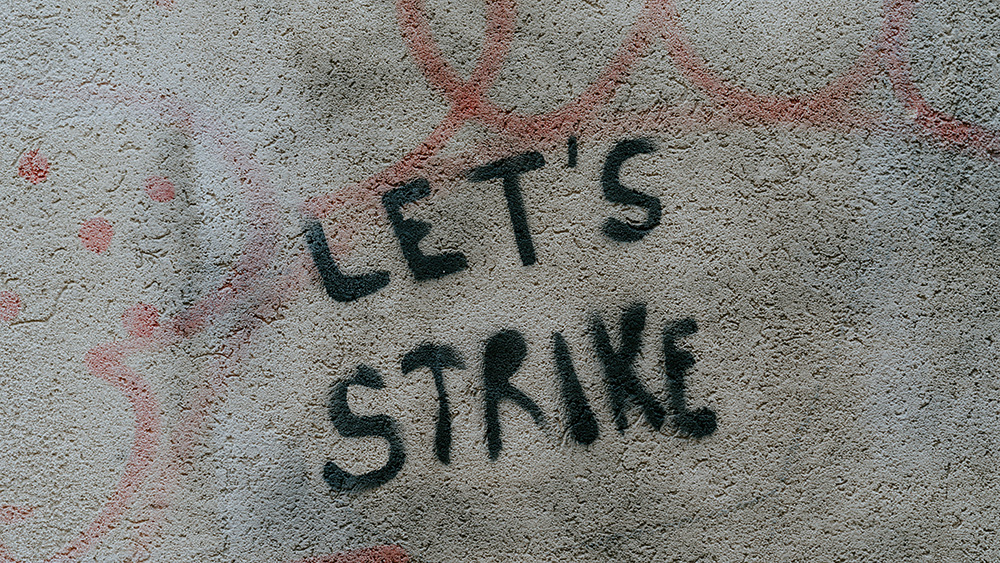
Tate Modern and Tate Britain reopened to visitors on Wednesday after a week-long strike over low pay and staffing, a dispute that has highlighted growing concerns about working conditions across the UK cultural sector.
The action caused disruption to several galleries and public programmes across the Tate sites and involved hundreds of staff across front-of-house, retail and operations.
The walkout has drawn wider attention to concerns about wages, job security and staffing across museums and galleries, at a time when many students and early-career workers hope to enter the cultural sector.
PCS National Secretary Martin Cavanagh said on Wednesday, in a video on the union’s official Instagram account, that “anything less than an above inflation pay rise is real terms pay cut.”
Unions say many front-of-house and support staff struggle to meet rising living costs, especially in London where rents and everyday expenses continue to increase.
Cavanagh said in the same video that survey results showed “70% of you… are not able to pay for the bare minimum in terms of the cost of living,” arguing that pay levels are leaving many workers unable to cover essential expenses.
Recent disputes at the British Museum and the National Gallery show that concerns about staffing, restructuring and workload are shared across the sector. At the British Museum, staff walked out earlier this year in a dispute over pay and job security.
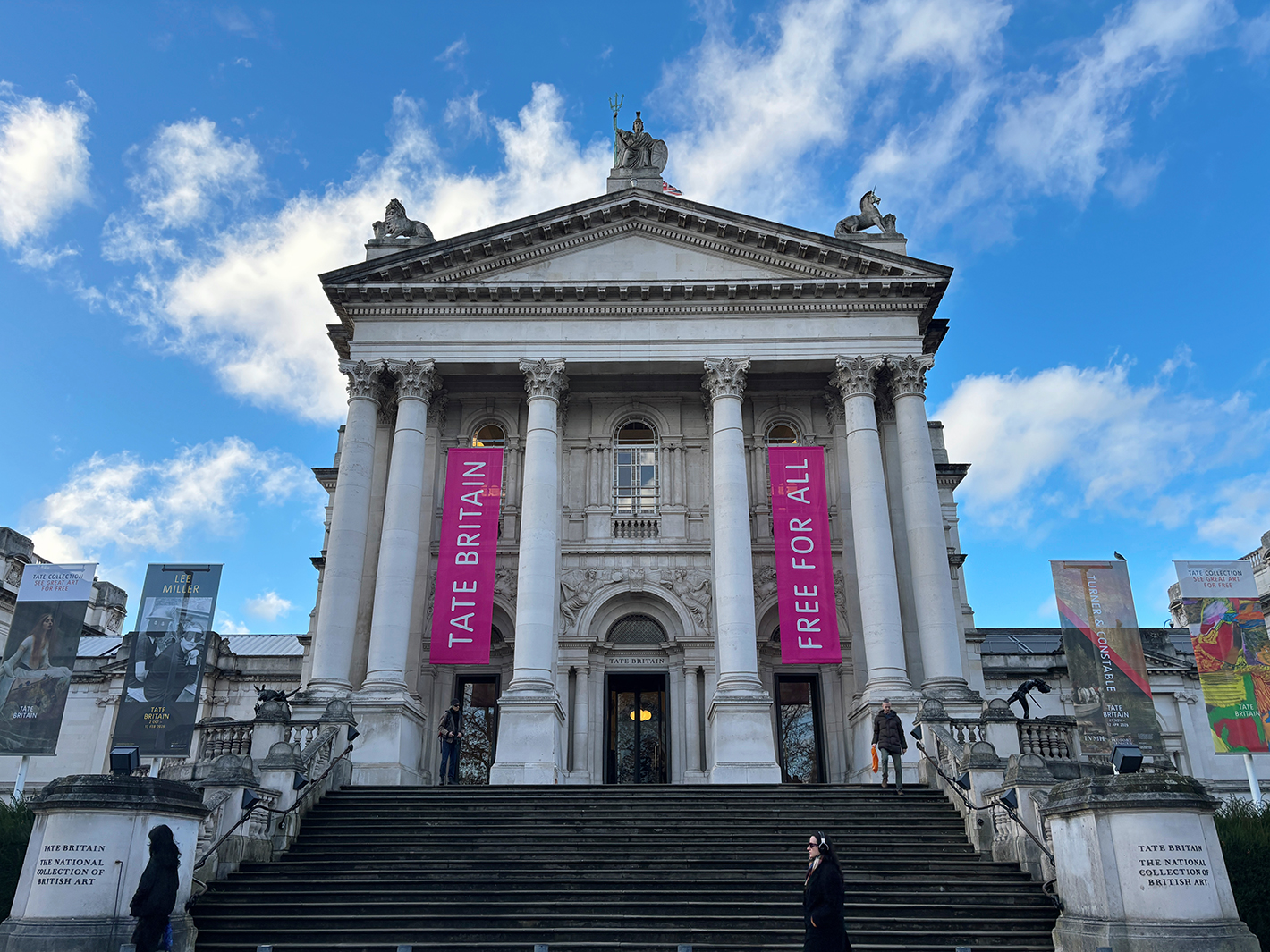
Royal College of Art graduate Hannah, who works as a gallery assistant at a small gallery in London, said the reality of working in the cultural sector can be very different from what many young people expect.
“I still need help from my parents to maintain a basic standard of living in London after paying rent and other basic expenses,” she said.
Workers in other European countries face similar issues. Xiangyan, who works at an independent gallery in France, said that salaries in French museums and galleries are also low and that many staff rely on state top-up schemes such as the prime d’activité, which supports people earning close to the minimum wage.
Recent findings from ArtsProfessional’s 2025 ArtsPay Survey and research by the Museums Association show that financial pressures and limited chances for career progression continue to affect staff retention.
These studies report that some early-career workers have considered leaving the industry because they feel their roles are not financially sustainable.
Workforce groups warn that without better pay and conditions, the sector may lose both experienced workers and younger entrants, which could reduce diversity and weaken museums’ education and community work.
PCS has not ruled out further action if negotiations do not lead to an improved offer. Tate has not issued any updated statement on the dispute.