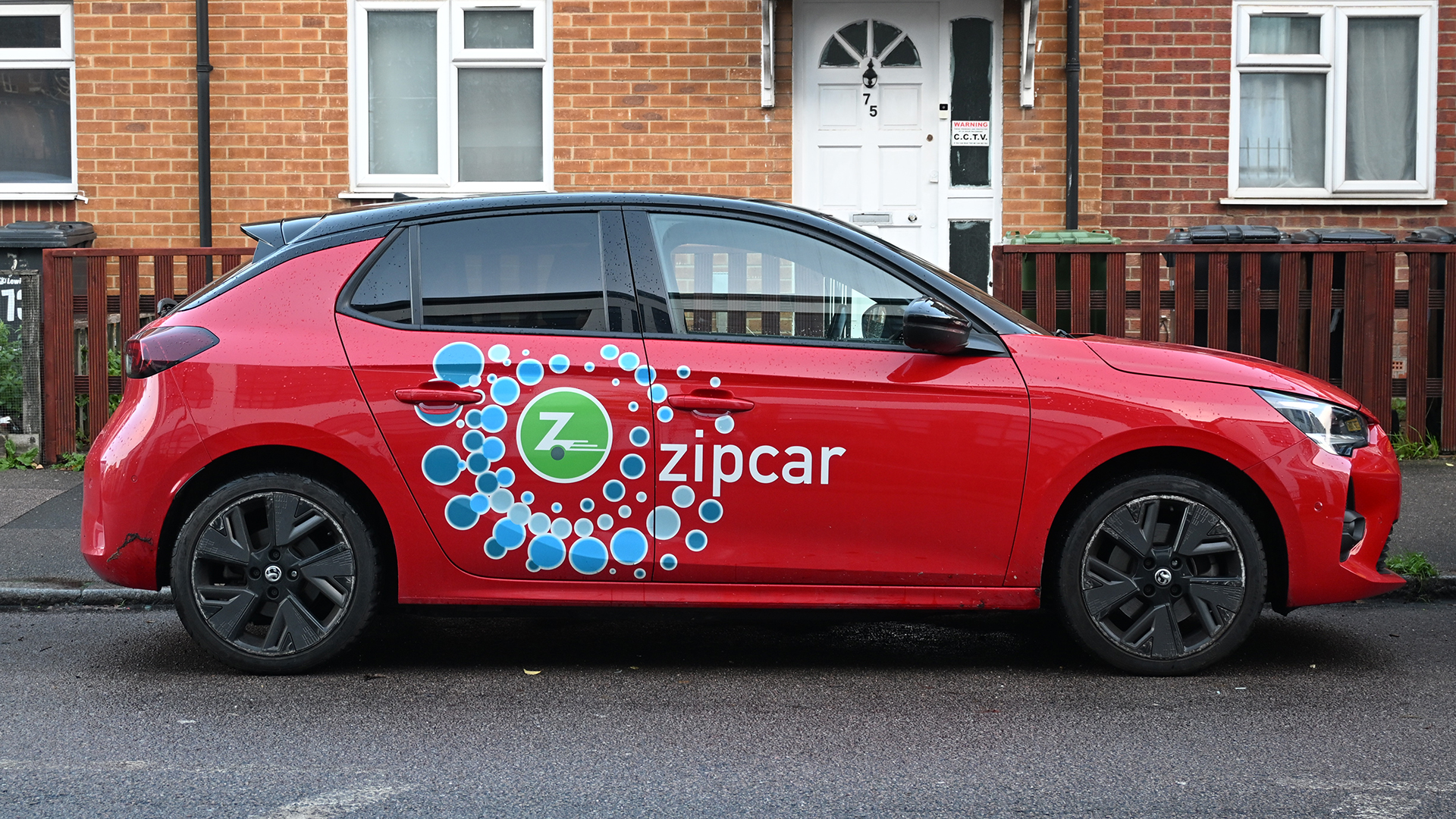
Car-sharing platform Zipcar has officially announced it will stop operating in the UK at the end of the year, shortly before the new congestion charge for EV vehicles takes effect.
Zipcar’s UK General Manager, James Taylor, sent an official email to customers and members announcing the discontinuation of Zipcar.
He stated: “Today, Zipcar informed UK members that we have decided to cease Zipcar’s operations in the UK and have begun the required formal consultation with our UK employees.”
The decision was described as part of a plan “to streamline operations, improve profits, and position the company for long-term sustainability and growth.”
The closure would affect 650,000 members across the UK, who paid an membership fee to use its fleet of 3,000 vehicles.
Zipcar users like Linda Kabi from Islington have called the closure ‘a blow. Kabi mainly used public transport and rents cars from Zipcar.
She said: “I haven’t owned a car for over 20 years because of the availability of Zipcars in my street.”
Many users also lamented the loss of Zipcar’s signature vans, which provided space and utility. Social media platforms have been flooded with reactions from members.
“My boyfriend is a handyman and uses the vans a lot. It’s a real blow. […]The outlay on cars/vans must have been huge” – Amber Wood
“I use Zipcar a lot as it’s handy and affordable […] I really hope they don’t go because it would be a big shame” – Georgie Porgie
“Haven’t owned a car in 11 years because I found zip car more affordable and suited to my needs” – Anna Birch-Loizou
“Well that’s annoying. Zipcar availability was one of the reasons I felt I could give up owning a car here in SW London” – Simon Bisson
A Zipcar user in London, Harry Kind, posted on X: “I’ve relied on their vans for years while buying plywood, collecting items from Facebook Marketplace, and especially when we didn’t have a car.”
Kind also believed that car clubs like Zipcar was essential for reducing unnecessary car ownership and lowering carbon emissions.
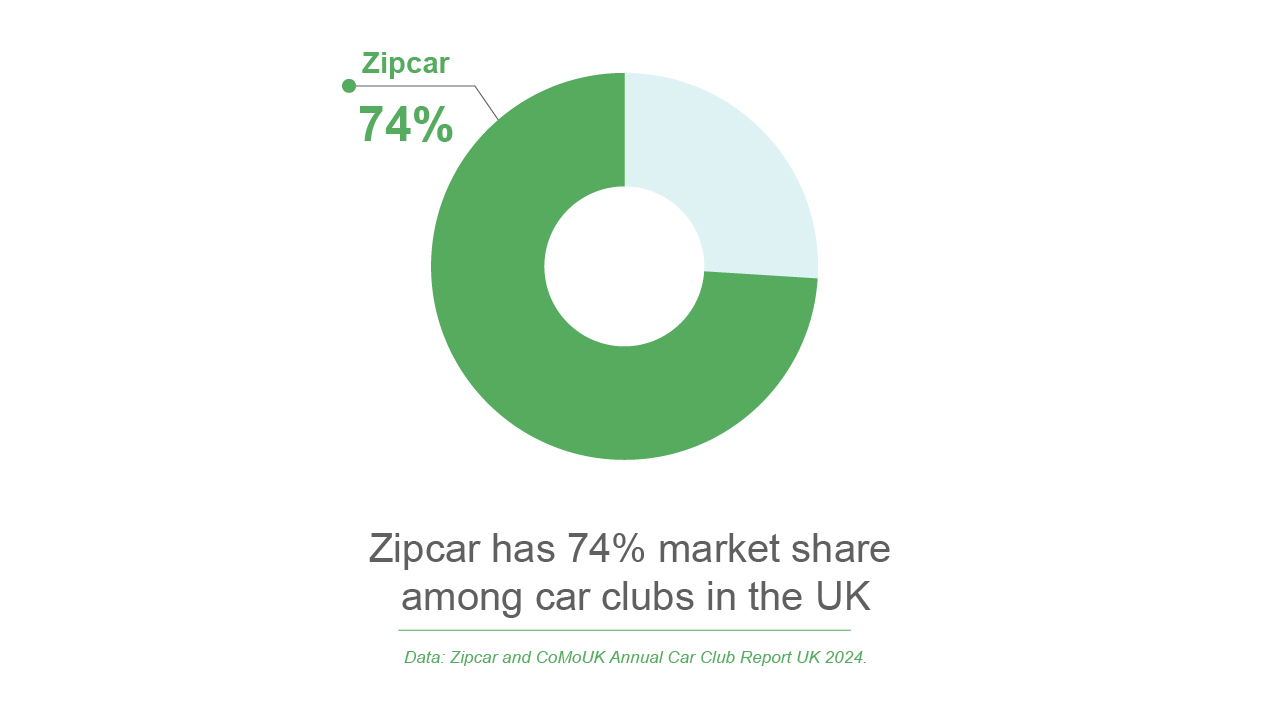
Zipcar entered the UK market in 2007. After 18 years, it became the UK’s largest car-sharing platform.
In 2018, the company set a goal to convert all its UK vehicles to electric by 2030.
However, before the target could be met, Zipcar announced it would close its UK operations.
Zipcar’s ambitions were impacted by several new policies targeted at EVs. This year’s budget introduced a pay-per-mile tax on EVs, and ended the congestion charge exemption for EVs.
This means Zipcar would have had to pay up to £18 daily for any cars entering London’s congestion charge zone. The changes are estimated to add £1 million annually to car club costs, heavily affecting Zipcar’s operations in London.
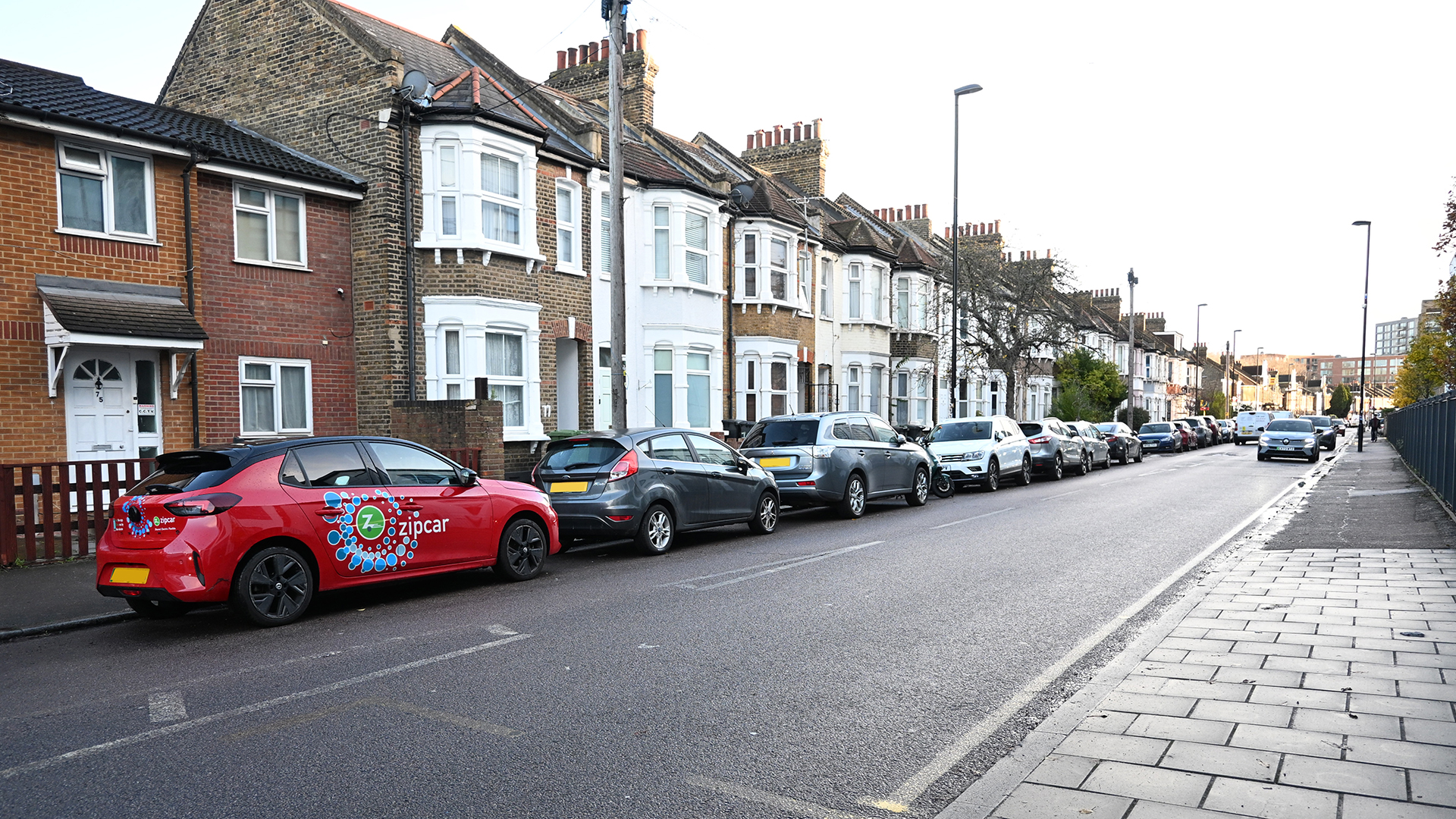
In its 2024 company accounts, Zipcar also blamed the “cost of living crisis,” saying it affected UK customers and caused revenues to fall by £6 million, from £53 million to £47 million.
Last year, Zipcar shut down its operations in Oxford, Cambridge, and Bristol.
In London, new bookings in the UK will be suspended after December 31, 2025. Existing bookings will still go ahead.
An Avis Budget spokesperson said: “All other markets remain fully operational and unaffected.”