
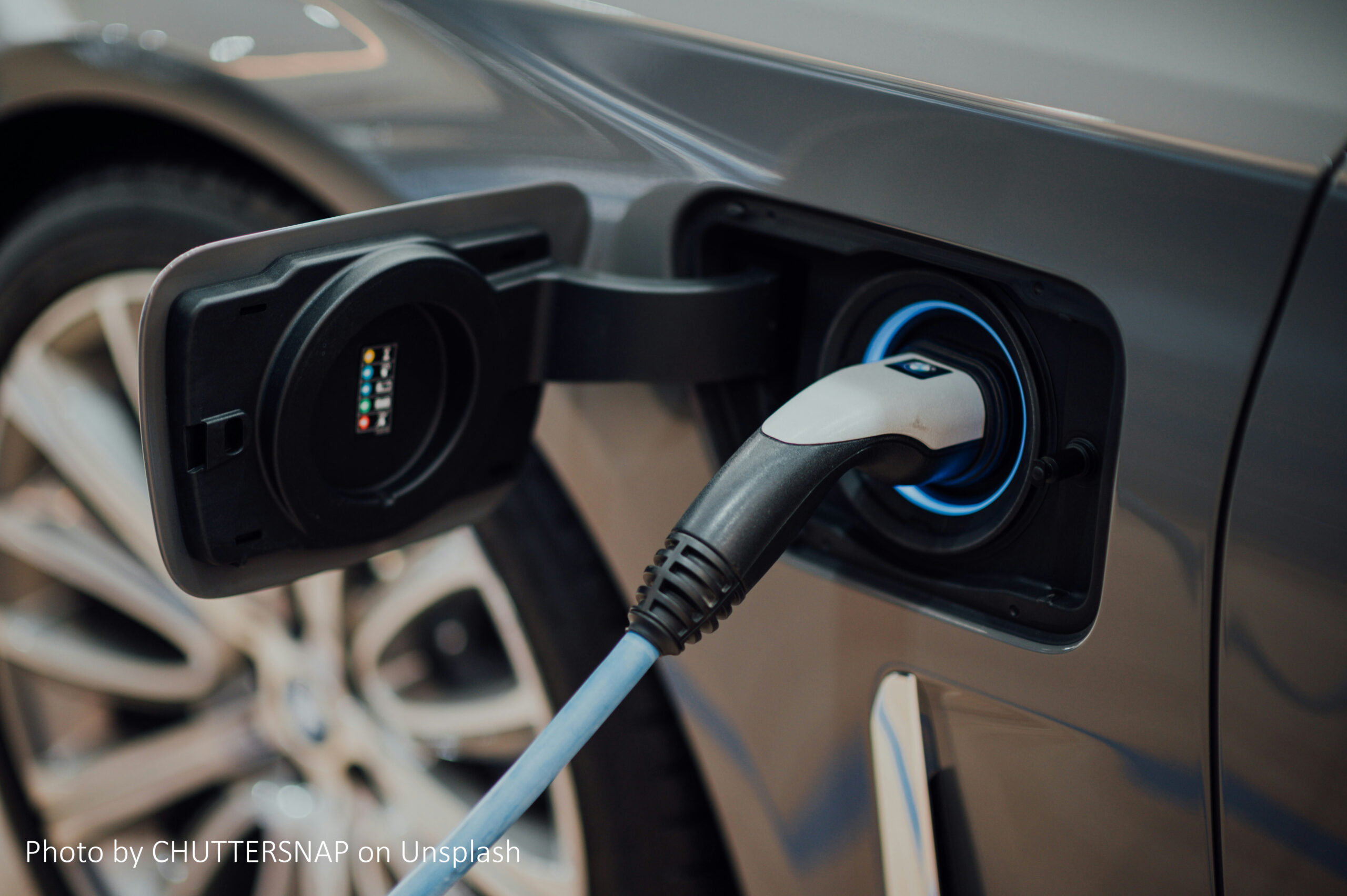
Citizens and automobile industry condemned the decision to levy congestion charge on electric vehicles. However, environment campaigners were divided on whether it will serve the wider purpose of reducing pollution.
Expressing his disagreement, Automobile Association President Edmund King OBE said: “EVs make up four times more of the central are fleet than they do across London generally. Without the Cleaner Vehicle Discount, the reasons for this disappear.”
He further said that for Private Hire Vehicles, the combination of fewer incentives means there could be as much as a 77% drop in electric miles.
However, some environmental advocates called it a positive step toward cleaner air. Campaign Manager at Clean Cities, Zak Bond told The Standard: “Diesel vans are now the biggest source of dirty air on the roads in Central London, so we’re pleased to see the Cleaner Vehicle Discount will continue to incentivise the uptake of greener electric vans.”
However, Bond expressed concern about its impact on small businesses and charities, wo he thinks need more support to go electric.
Izzy Romilly from Possible noted, “To tackle the climate crisis, health inequalities, and air pollution, we have to tackle London’s high levels of traffic.”
Senior Policy Adviser of Centre for Net Zero Andy Hackett felt that it was too early to phase out the Cleaner Vehicle Discount.
Hackett stressed on the importance of incentives and said: “London’s impressive progress on electric vehicle adoption didn’t happen by chance – it is the result of smart, consistent incentives”
Stressing on the need to continue the policy he said that’s the only way to keep the momentum deliver on clean air and net zero goals.
The EV drivers will have to pay congestion tax for the first time from January 2026. Private EV car drivers will pay £13.50 a day to enter the congestion charging zone in central London, while drivers of commercial EVs such as electric delivery vans will have to shell out £9 a day.
The petrol and diesel vehicles paid the charge while the EVs were exempted from it. The decision has disappointed the private EV owners who feel ‘it’s a step back’. It will put financial strain and increase the cost for them.
Concerned about the cost, a teacher from East Finchley Carol Smith said, “We had thought the Mayor Sadiq Khan would reconsider the decision to roll back on the exemption. I read it will cost about £3000 a year. First, I invest in the EV and now I pay the charge, not fair.”
Product manager at Meta, Wayne Kok said charging people is going to make it more costly to own EVs in the long run. It will not make a difference between EV and no-EVs anymore, he said.
Kok said, “How will it help decongestion? The EV owners are not going to stop using it given how much they have paid. It’s like treating the symptom than the root cause.”
The Automobile Association (AA) wrote to Mayor Sadiq Khan saying that the new step would deter EV adoption.
However, the Mayor said that sticking to the status quo would see around 2,200 more vehicles using the congestion charging zone on an average weekday next year.